


Protein Supplements
BY: EMILY NIELL, MS, RDN, LD
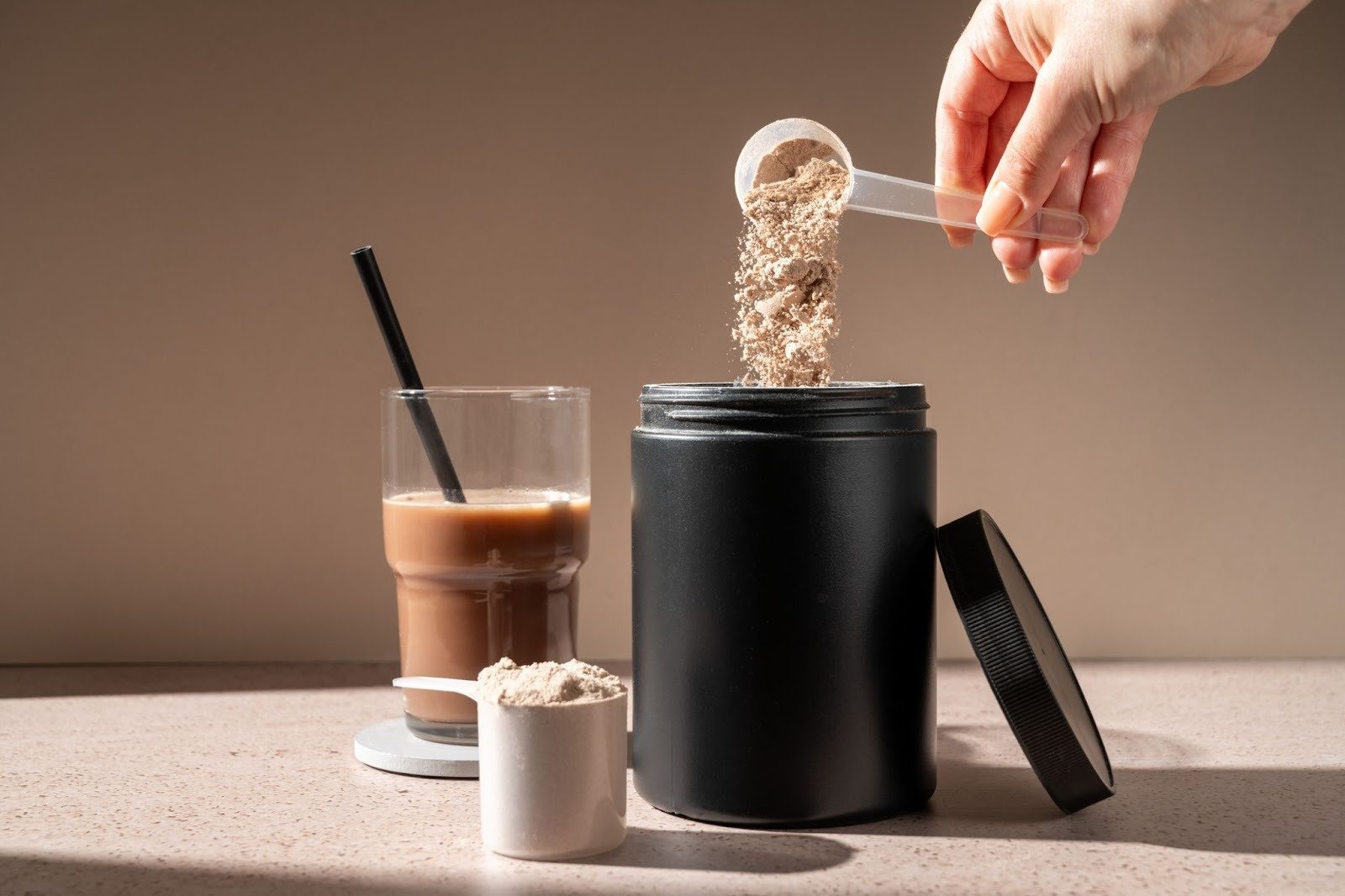
When you're in the market for a protein supplement, the sheer number of options can be overwhelming. Choosing the right protein supplement can help you reach your fitness goals, meet your nutritional needs, and support muscle recovery after a workout. Let's take a closer look at a few of the most popular options to understand their differences and ways to use each one.
Branch Chain Amino Acids (BCAA’s)
Our body’s muscles are made up of proteins, which are made up of smaller components called amino acids. When it comes to building muscle, branched-chain amino acids (BCAAs), specifically leucine, isoleucine, and valine, are key players in muscle recovery and growth. You can find these amino acids in both animal and plant-based protein-rich foods. If you're looking to potentially boost your muscle game, supplementing with BCAAs may help. Leucine, in particular, has been shown to activate the processes involved in muscle growth.1
However, supplementing with BCAAs alone aren't enough to promote sustained muscle growth. You also need an adequate amount of calories and other amino acids. Think of it this way: BCAAs can help increase the signal for muscle growth, but you still need all the necessary building blocks to make it happen.
Whey and Casein Protein
Both of these proteins are derived from milk during the cheese making process. Think of when milk starts to curd into cheese, casein comes from the solid curd while whey comes from the leftover liquid. Casein is the primary protein in dairy milk, making up about 80% of its protein content (the other 20% being whey). Both proteins are commonly used in many protein bars and shakes. Whey and casein are both complete proteins, meaning they contain all nine essential amino acids. However, they differ significantly in how your body digests and uses them.
Whey protein is known as a fast-digesting protein. It's a super star for muscle building because it contains a lot of branched-chain amino acids, especially leucine, which is crucial for muscle repair. Because it's absorbed quickly, supplementing with whey is ideal for a fast dose of amino acids right after a workout to stimulate muscle recovery and growth.
In contrast, casein is a slow-digesting protein. It provides a gradual, sustained release of amino acids into your bloodstream over several hours. This makes it a great choice for long-term muscle support, particularly when consumed before bed, to help repair muscles during long periods of rest.2
Collagen
Did you know that collagen is the most abundant protein in our bodies? This large, structural protein is essential for creating the connective tissues in our joints, tendons, cartilage, muscles, and skin. Since collagen is found only in animal flesh, a balanced diet of both animal and plant-based foods is needed to provide your body with the necessary amino acids to produce its own collagen.
Collagen supplements are often sold as collagen peptides or hydrolyzed collagen, which are broken-down forms of the protein that are easier for your body to absorb. While collagen can act as an alternative to protein powder, research is still exploring whether oral supplements directly benefit skin or joint health. However, you can naturally support your body's collagen production by eating a diet rich in protein and certain minerals like zinc.3
*This information is intended for general educational purposes only and does not constitute individual medical or nutrition advice. Please consult your physician or registered dietitian for personalized recommendations based on your specific health needs.
References
1. Dieter B. What Do Branched-Chain Amino Acids (BCAAs) Do? blog.nasm.org. https://blog.nasm.org/branched-chain-amino-acids
2. Narayana Health. Narayana Health. Published 2023. Accessed August 26, 2025. https://www.narayanahealth.org/blog/casein-protein-vs-whey-protein-which-is-better-for-you
3. Harvard T.H. Chan School of Public Health. Collagen. The Nutrition Source. Published May 26, 2021. https://nutritionsource.hsph.harvard.edu/collagen/