


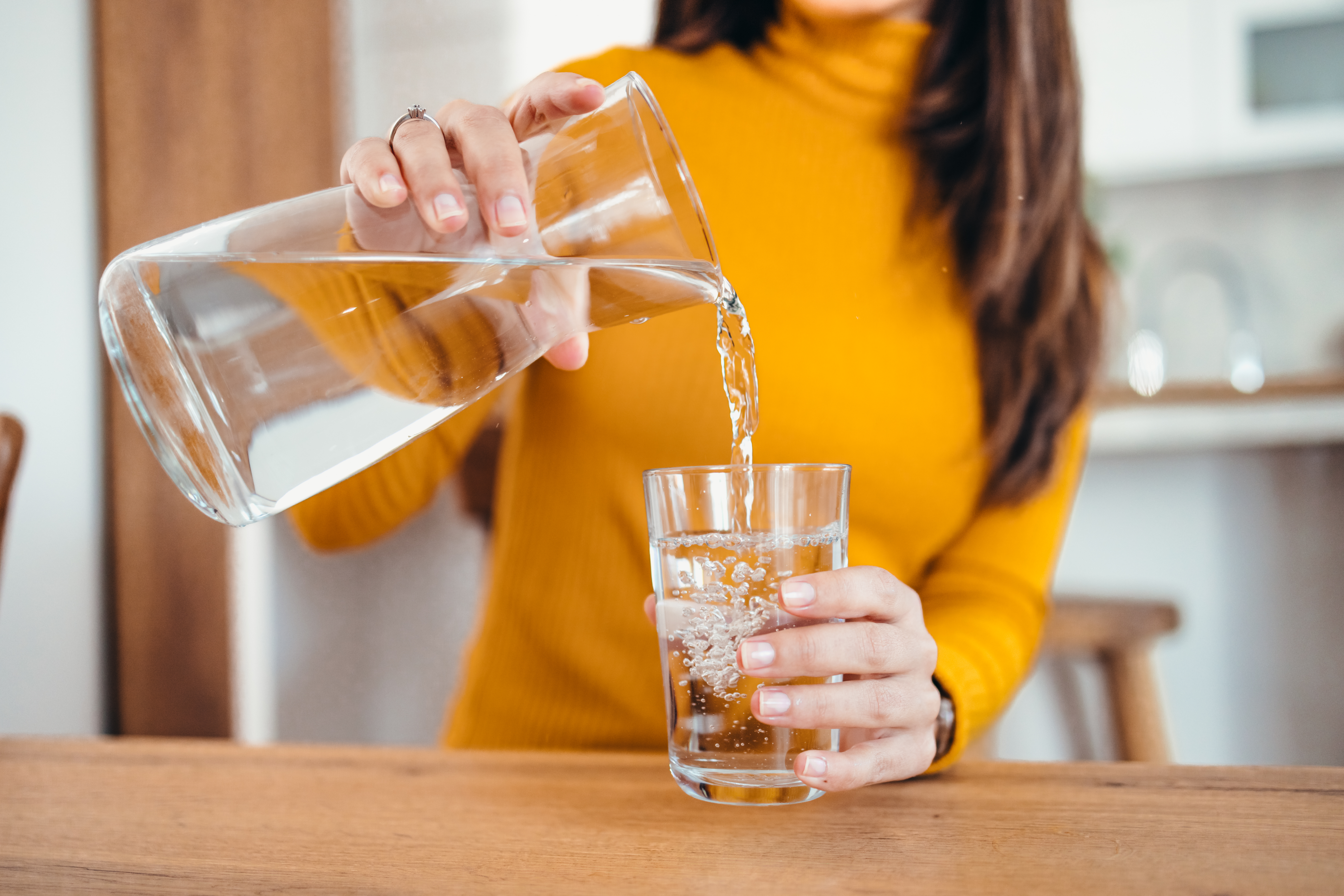
All Things Hydration: Myths and Tips, and More
BY: EMILY NIELL, MS, RDN, LD
Let’s talk about hydration, how can you tell you’re staying hydrated? And do you really need 8 cups of water per day? In this blog we are taking a deeper dive into all things hydration and some quick tips you can use to stay hydrated all day long. Read on to find out how you can make your own DIY electrolyte drink at home!
8 Cups Debunked
It’s commonly misconstrued that everyone needs to drink at least 8 cups of water per day, but that’s actually a myth, mainly because fluid needs can vary greatly depending on many factors. Sweat rate, weather conditions, activity level, weight, and even certain health conditions can all factor into how much fluid you need each day. Adequate intake levels of water for healthy adults is about 11.5 cups per day for women, and 15.5 cups per day for men. Note that these estimates also include fluids consumed from foods and non-water beverages. 1
How Can I Tell I’m Dehydrated?
Common signs of mild dehydration include dry mouth, headache, dark urine color, muscle cramps, and of course feeling thirsty! Usually, Feeling thirsty is our body's way of telling us we’re dehydrated, so that's why it's best to sip throughout the day to prevent the feeling of thirst.
Electrolytes
Fluid isn't all we’re talking about when it comes to hydration. You may have noticed if
you’ve ever bought a sports drink that claims to be packed with “electrolytes”. Electrolytes are minerals that also contribute to hydration by regulating the amount of water in the body and making sure it's evenly distributed to your cells and tissues. Electrolytes also help support nerve and muscle function. Sodium, calcium, potassium, and magnesium are some examples of electrolytes that are found in our foods and drinks.
Of course water is always one of the best go to options when it comes to staying hydrated but what about some other common beverages we see on the store shelves? Let's talk about them.
Sports Drinks
Sports drinks are commonly used by athletes in the sports world because they are full of electrolytes, and usually a great source of quick energy. Most sports drinks like gatorade also contain simple sugars, which can actually help in replete energy stores quickly for those exercising intensely like running a marathon or competing in a swimming competition. Sports drinks with added sugars can be a good option if you’re intensely working out to give some quick energy, but if you're not getting your sweat on, the added sugars likely aren't needed. For low intensity activities, it’s probably best to stick to water or another low sugar electrolyte beverage.
Milk
You may be surprised to hear, but low-fat milk is actually a great way to stay hydrated, and it’s especially a great post-workout beverage for athletes as it contains protein, potassium, calcium and re-energizing carbohydrates. However, if you are counting your calories, water or a low sugar electrolyte beverage may be the better choice.
Black Coffee
Whether or not coffee is hydrating usually depends on how you’re drinking it. Coffee is a diuretic due to its caffeine content, meaning it increases the frequency of urination. Having a cup of black coffee can actually be hydrating because the caffeine is watered down. Drinking your coffee in the form of espresso shots however, can be a different story. Espresso shots have less water added and a higher caffeine concentration, so they can be dehydrating as they lack the water to replace your losses.
Coconut Water
Interestingly, plain coconut water is a great hydrating beverage because it contains potassium, magnesium, sodium, calcium, and natural sugars. Coconut water without added sugar also tends to be a lower calorie option, so sipping on coconut water throughout the day can be a great way to stay hydrated, even when you’re not working out at high intensities.
*This information is intended for general educational purposes only and does not constitute individual medical or nutrition advice. Please consult your physician or registered dietitian for personalized recommendations based on your specific health needs.